If you have ever driven through Palos Verdes Estates and thought the city feels unusually cohesive, you are not imagining it. Architecture is a big part of what gives this coastal community its identity, along with ocean views, hillside topography, open space, and thoughtfully planned residential streets. If you are buying, selling, or simply trying to understand what makes this market distinct, it helps to know which architectural styles truly define the city. Let’s dive in.
Why Architecture Matters in Palos Verdes Estates
Palos Verdes Estates was not built as a blank-slate suburb. The city’s own planning and community materials point to architecture, street trees, open space, and ocean and hillside views as central parts of its character.
That matters because in PVE, design is tied closely to setting. A home is not judged only by square footage or finishes. It is also judged by how well it fits the land, the street, and the broader visual identity of the city.
Mediterranean and Spanish Revival Roots
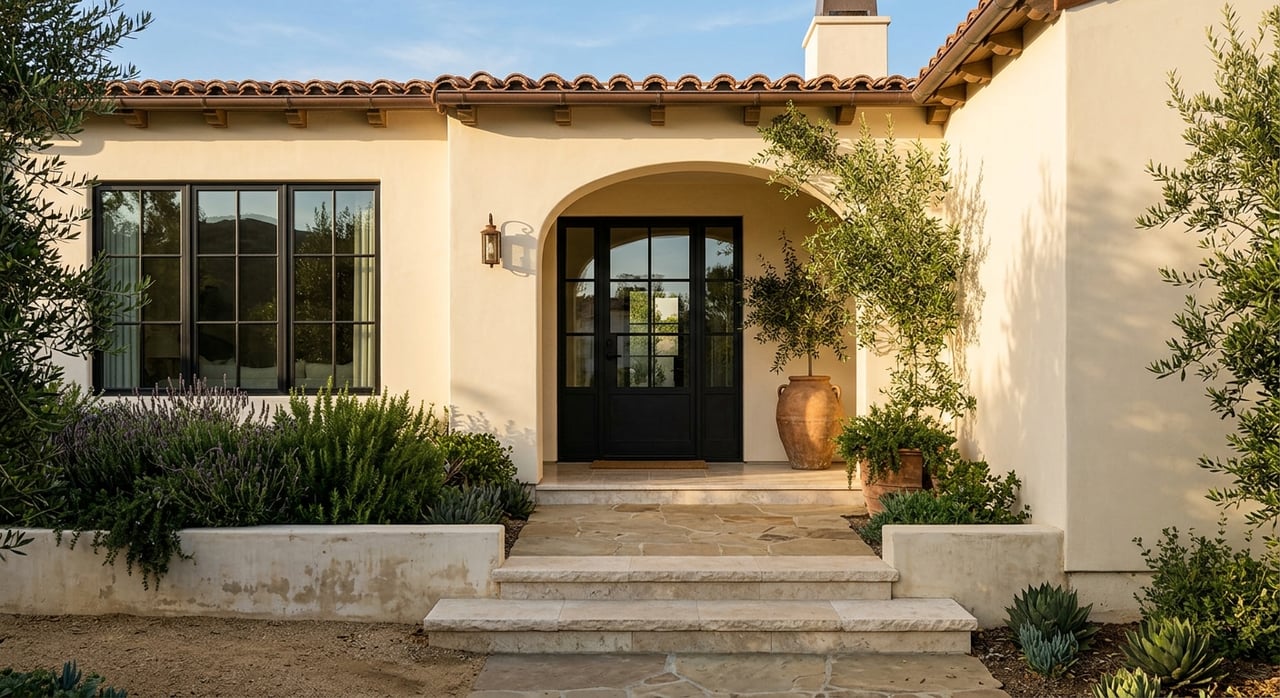
The architectural baseline in Palos Verdes Estates is best understood through Mediterranean Revival and Spanish Revival design. The city’s history materials emphasize Mediterranean Revival, while current design standards identify Spanish Revival as the most prevalent style.
In practical terms, these descriptions overlap in ways that are easy to recognize. Think red tile roofs, stucco walls, arches, and forms that feel well suited to the Southern California coast.
The city says construction of the first Spanish-style homes in what is now Palos Verdes Estates began in the early 1920s. Early landmarks like Malaga Cove Plaza, La Venta Inn, and civic buildings in the area helped establish the design language that still shapes the community today.
Why These Styles Feel Native Here
Spanish and Mediterranean revival architecture works especially well in PVE because it complements the landscape. The city’s historic identity connects these homes to bluff-top views, sunny skies, and a village-like coastal setting.
That is one reason these properties often feel timeless rather than themed. In Palos Verdes Estates, revival architecture is not a trend layered onto the city later. It is part of the original vision.
Common Features You’ll Notice
If you are touring homes in PVE, look for these recurring details:
- Red or clay tile roofs
- Stucco exteriors
- Arched windows or doorways
- Courtyard-inspired layouts
- Wrought-iron accents
- Strong connection to terraces, patios, or outdoor living areas
Not every home will include all of these features. Still, together they help explain why so much of the city feels visually connected.
Ranch Homes Add a Relaxed Layer
While Spanish and Mediterranean revival styles form the historic core, ranch homes add another important chapter. Ranch architecture is generally defined by a low-to-the-ground profile, horizontal massing, and open, free-flowing interior spaces.
This style tends to bring a more relaxed, informal feel. In a place like Palos Verdes Estates, that can work especially well on wider parcels or sites where the house can spread out and respond to the land.
Why Ranch Style Fits PVE Lots
Ranch homes often suit sloping or broad lots because of their low-slung form. Instead of reaching upward for impact, they typically stretch outward and create a strong indoor-outdoor relationship.
That design approach aligns with the city’s broader emphasis on neighborhood compatibility, proportion, and view sensitivity. In other words, a ranch home can feel very appropriate in PVE when it sits comfortably on the site and does not overwhelm its surroundings.
Mid-Century Modern Has a Real Presence
Mid-Century Modern is another style that helps define parts of Palos Verdes Estates, even if it is not the city’s original architectural signature. This style is typically characterized by simple geometric forms, broad expanses of glass, flat or low-pitched roofs, wide eaves, and post-and-beam construction.
Its appeal is often about restraint. Rather than competing with the landscape, Mid-Century Modern design tends to frame it.
Local Context for Mid-Century Design
On the Peninsula, Mid-Century design is more than an abstract influence. The Palos Verdes Library District’s Doors Open Peninsula material describes Palos Verdes High School in PVE as a blend of Mid-Century modern and more traditional elements, including gabled tile roofs and stucco walls.
That detail is useful because it shows how later-period architecture became part of the local fabric. It also highlights something important about PVE as a whole: the city can accommodate different styles when they are thoughtfully integrated.
What Buyers Often Appreciate
Mid-Century homes can be especially compelling if you value:
- Large windows that capture light and views
- Clean lines and simpler detailing
- Open layouts
- A stronger visual connection to the outdoors
- Architecture that feels calm and site-responsive
In a view-oriented market, those traits can be very appealing.
Views and Topography Shape Design
In Palos Verdes Estates, architecture is inseparable from the lot itself. The city’s Neighborhood Compatibility process is designed to preserve natural scenic character and asks that new or remodeled homes fit their surroundings, avoid blocking light and views, and minimize privacy impacts.
That means the best homes often succeed because of how they use the site, not just because of the style they represent. A beautifully designed house that feels awkward on the lot may not read as well as a simpler home that is carefully massed and well positioned.
Size Is Not the Only Story
The city’s single-family development guidelines place limits on floor area, building coverage, total lot coverage, and height. Standard height is limited to two and one-half stories, with a 35-foot exception on certain down-slope lots.
For buyers and sellers, the takeaway is simple. In PVE, proportion and fit often matter as much as square footage.
Site Conditions Matter Too
For some properties, especially bluff-top and hillside homes, the design conversation goes beyond aesthetics. The city’s guidelines note that soils and geology reports may be required for bluff-top homes, hillside homes, second-story additions, and substantial additions.
This is one reason renovation planning in Palos Verdes Estates can be more complex than it first appears. The lot, the slope, and the site conditions all help shape what is realistic.
Renovation Potential Has Real Limits
One of the biggest mistakes people make in PVE is assuming every home can be expanded freely. The city’s planning framework makes clear that renovation potential is shaped by review standards, lot coverage rules, height limits, and neighborhood compatibility requirements.
The city also notes that preliminary approval by the Palos Verdes Homes Association is required for most projects. Depending on the scope, new homes, additions, and remodels may also be reviewed for compatibility, grading, variance, coastal development, and landscape considerations.
What This Means for Buyers
If you are buying with plans to remodel, you should look beyond finishes and floor plan. You also want to understand how the property’s architecture, lot shape, slope, and view relationships may affect future changes.
A home with obvious upside on paper may face more design constraints than expected. By contrast, a home that already fits the lot well may offer more lasting value even if it is not the largest option available.
What This Means for Sellers
If you are selling, architectural coherence can strengthen buyer perception. Period-correct Spanish or Mediterranean homes often feel especially authentic when original rooflines, arches, and materials remain intact.
Ranch and Mid-Century homes can also show beautifully when updates preserve the features that make those styles work. Buyers often respond best when renovations feel intentional rather than generic.
Which Style Adds the Most Value?
There is no single style that wins in every scenario. In Palos Verdes Estates, value is usually influenced by a combination of lot quality, views, condition, design coherence, and what the city will allow on the site.
That said, style still matters because it shapes first impressions and long-term appeal. A home that looks architecturally at home in PVE often resonates more strongly than one that feels oversized or disconnected from its surroundings.
A Better Way to Think About Value
Instead of asking which style is best, ask these questions:
- Does the home suit the lot?
- Does the design respect views and the street setting?
- Do the architecture and updates feel consistent with each other?
- Is the scale balanced for the parcel and surrounding homes?
- Does the property offer realistic renovation potential within city standards?
Those are often the questions that lead to smarter pricing, stronger positioning, and better buying decisions.
Why This Matters in a Real Sale
In a market like Palos Verdes Estates, buyers are not just purchasing bedrooms and bathrooms. They are also buying design, setting, and how a home feels within the broader neighborhood fabric.
That is why architecture should be part of the conversation from the start. For sellers, it can shape presentation and pricing strategy. For buyers, it can clarify whether a home offers lasting fit and future flexibility.
If you are thinking about buying or selling in Palos Verdes Estates, working with a team that understands how style, site, and market positioning interact can make a meaningful difference. Connect with Ryan Shaw for strategic, local guidance tailored to your goals.
FAQs
What architectural style is most common in Palos Verdes Estates?
- Spanish Revival is identified in current city design standards as the most prevalent style, while the city’s history materials also emphasize Mediterranean Revival as part of the community’s original identity.
Why do Spanish and Mediterranean homes feel so natural in Palos Verdes Estates?
- These styles align with the city’s early planned-community vision and are closely associated with red tile roofs, stucco forms, arches, and the coastal hillside setting.
Are ranch homes common in Palos Verdes Estates?
- Ranch homes are part of the city’s later architectural layers and are often well suited to wider or sloping lots because of their low-slung, horizontal form and indoor-outdoor layout.
Is Mid-Century Modern architecture part of Palos Verdes Estates?
- Yes. Mid-Century Modern is part of the local architectural fabric, and Peninsula materials identify Palos Verdes High School in PVE as incorporating Mid-Century modern elements.
How do views affect home design in Palos Verdes Estates?
- The city’s Neighborhood Compatibility process emphasizes preserving scenic character, including light and views, so design and massing are expected to fit the lot and minimize impacts on surroundings.
Can you easily remodel a home in Palos Verdes Estates?
- Not always. Renovation potential is shaped by city rules on floor area, lot coverage, height, compatibility review, and in some cases soils or geology requirements for bluff-top, hillside, or major addition projects.
What matters most for home value in Palos Verdes Estates?
- Style matters, but lot quality, view exposure, condition, design coherence, and how well any improvements fit within city standards often matter more.