Pricing a luxury home in Manhattan Beach is both art and science. List too high and you risk weeks on market that turn into price cuts. List too low and you leave money on the table. In this guide, you will learn a clear, data-backed way to set the right price, how micro-markets like the Sand, Tree, and Hill Sections change value, and which seller moves most reliably boost your final sale price. Let’s dive in.
Start with the market today
Manhattan Beach is a high-end coastal market where numbers move fast. Recent national portals reported a citywide median home price near $4.40 million and about $1,537 per square foot, with average days on market around 70 in late 2025. Another dataset showed average sale time near 28 days in June 2025. Different vendors use different samples, so expect variation by quarter and by section.
Vendor medians differ based on what property types they include and how they draw boundaries. That is normal. The key is to work from the most recent 30 to 90 days in your local MLS, and to document the date range you used. Local trackers also remind us that selling windows can swing by micro-market and season, so treat any citywide median as context, not your list price.
For a quick sanity check on how data can vary by source and timeframe, review a local tracker and cross-compare before you finalize your CMA. A useful rule of thumb is to triangulate across multiple sources and state your exact date range when you present your pricing recommendation. You can see how trends shift across time in tools like this market snapshot example.
Price by micro-market: Sand, Tree, Hill
Micro-location is one of the biggest drivers of price in Manhattan Beach. Most locals reference three informal sections. Boundaries vary by broker and MLS area definitions, so always pull comps that truly mirror your subject property’s block and view corridor.
Sand Section
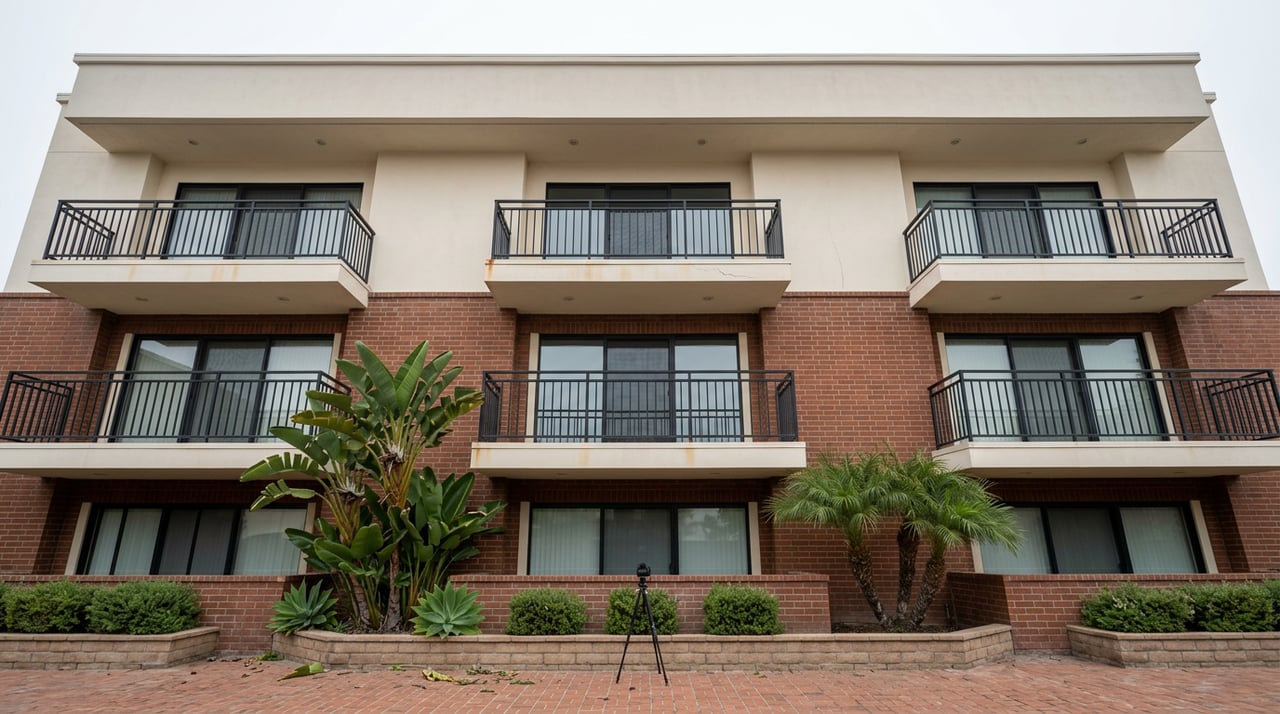
You are closest to the Strand and downtown, often on smaller lots with three-story modern builds and walk streets. Per-square-foot pricing is usually the highest here due to proximity and ocean views. Neighborhood trackers have shown median prices around the mid to high $3 millions in recent snapshots, with strong premiums for frontline Strand and unblocked views.
Tree Section
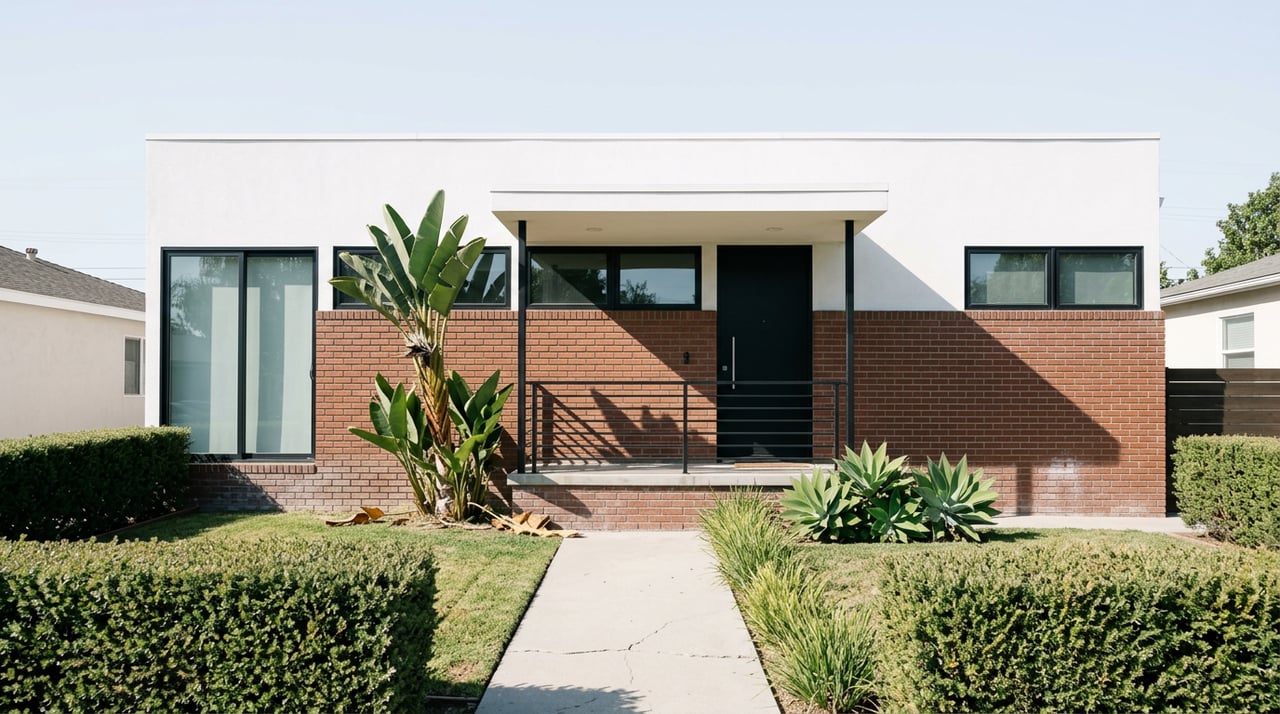
You find larger lots, interior blocks, and a strong focus on yard and interior space. Many buyers here value a balance of size and proximity to town. Medians often sit near the low $4 millions in recent reports, with a lower price per foot than Sand but healthy demand for well-presented, family-friendly layouts.
Hill Section
You see some of the biggest lots, elevated views, and high total sale prices. Low inventory can make pricing sensitive to one or two headline sales. Recent trackers have shown medians in the roughly $6 to $7 million range, with meaningful premiums for wide ocean or skyline outlooks.
Practical takeaway: per-foot premiums often favor Sand for proximity and views, while the Hill can post the highest total prices due to lot size and finished square footage. The Tree Section usually offers more living area and yard at a given budget. When you pull comps, prioritize micro-location, view strips, walk-street status, lot size, finish level, and parking.
Build a data-backed price: the CMA framework
Here is a straightforward process to create a price opinion that holds up in negotiation and appraisal.
Step 1: Define the subject market and comps
Start with 3 to 6 solds from the last 3 to 9 months that closely match your property’s micro-location and profile. Include active, pending, and withdrawn listings for context and momentum. Document why each comp made the cut. For a deeper how-to, review this CMA selection guide.
Step 2: Adjust for the true value drivers
Adjust up or down for the items buyers value most. In Manhattan Beach, these usually include: gross living area and price per foot, bed and bath count, lot size, ocean and view exposure, condition and finish level, permitted improvements like elevators or roof decks, parking options in the Sand, and unique features like walk-street access. Keep notes on each adjustment so you can defend it later.
Step 3: Weight and reconcile to a price range
Weight the most similar and recent comps more heavily, and down-weight those that need big adjustments. Build a defensible range, then present three scenarios: aggressive, market, and conservative. Align each with an expected days-on-market outcome and probability of multiple offers. Guidance on reconciling ranges is outlined in this CMA reconciliation primer.
Step 4: Layer in market tempo
Fold in recent days on market, list-to-sale price ratios, inventory, and the share of cash buyers by band. In Manhattan Beach, DOM varies widely by section and price point. A $7 million Hill listing can sit if condition or price misses the mark, while a tight Tree Section home in turnkey condition can move quickly. Use the last 30 to 90 days to calibrate your launch.
Step 5: Confirm permits and coastal considerations
Coastal permits, prior approvals, and disclosures directly impact value and timeline. Manhattan Beach administers a Local Coastal Program and Coastal Development Permit process. Confirm what was permitted and when, and gather documentation before listing. See the city’s coastal permit procedures to understand how approvals can affect buyer confidence and escrow timing.
New construction still commands a premium
National data in 2025 showed the premium for new construction narrowing in many markets, yet the Los Angeles metro continued to post a sizable premium for new builds, near 35 percent in Q2 2025. In Manhattan Beach, a finished new build with quality systems usually earns a per-foot premium over an older resale due to finishes, warranties, and turnkey appeal. Always compare against true like-kind product on your block before you price.
Know your buyer by price band
Price band behavior in Manhattan Beach is distinct. Tailor your price and presentation to the buyer you need to win.
- Entry luxury under $3 million. A small slice of the market. Often condos or smaller single-family. Buyers are budget-minded and responsive to turnkey value.
- Core family and lifestyle from about $3 million to $6 million. Many buyers weigh yard, layout, commute, and school boundaries. For context on a local high school, see the Mira Costa High School profile. Keep language neutral and cite facts only when referencing schools.
- Premium coastal, lot, and view from about $6 million to $10 million. Buyers expect high-end finishes, updated systems, and clean disclosures. They will discount for deferred maintenance.
- Ultra-luxury at $10 million and above. Inventory is thinner and buyers can be discreet or out-of-market. National coverage in 2025 highlighted resilience in this segment. For background, see the Wall Street Journal’s luxury market coverage.
Two key points across all bands: higher-ticket buyers shop replacement cost and alternatives, and exceptional properties that check a tight wish list can still earn immediate offers. Do not rely on overpricing as a negotiating tactic. In slower months, price reductions become more common, which can reset buyer expectations.
Seller controls that move value
You cannot control the market, but you can control presentation, clarity, and access. These steps consistently improve outcomes for Manhattan Beach luxury listings.
- Pre-list inspection and termite. Order a pre-listing inspection and gather permit history. Fewer surprises often mean fewer renegotiations. Learn how a pre-inspected listing reduces friction in this pre-inspection overview.
- Staging and light refresh. NAR’s research shows staging can reduce days on market and improve offers. Focus on the living room, kitchen, and primary suite. See the latest NAR staging report.
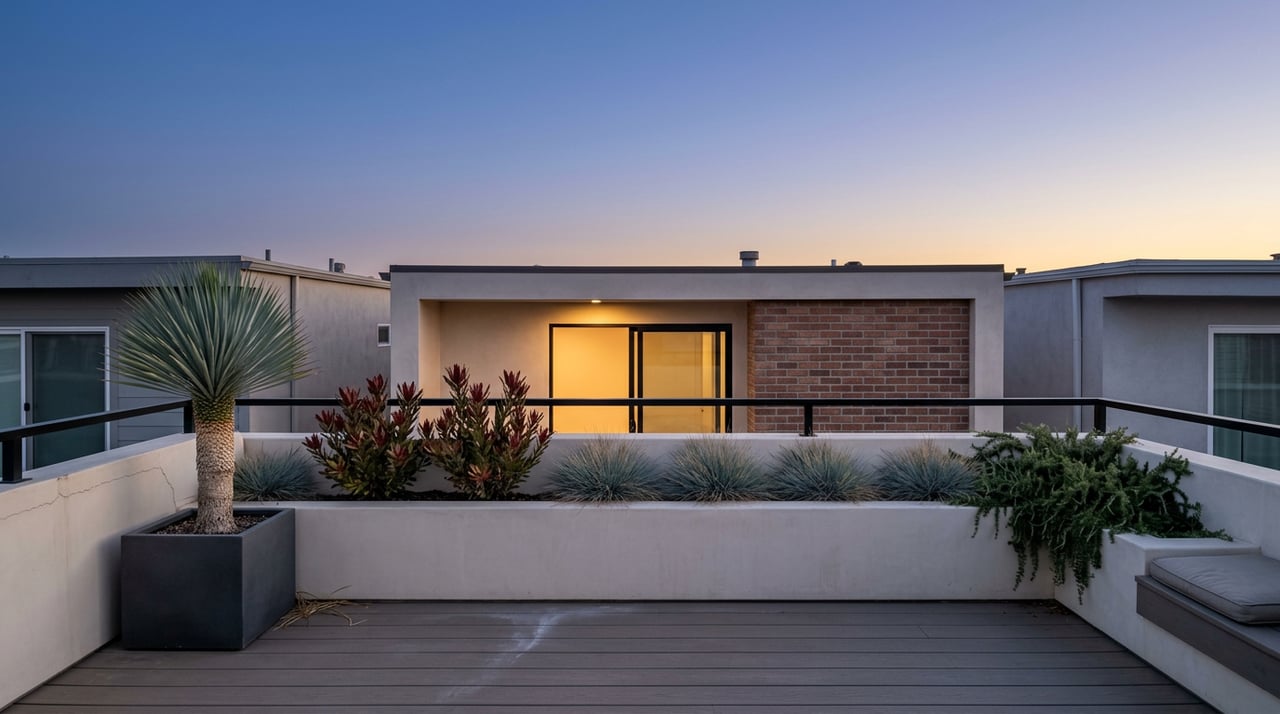
- Premium visuals. Invest in magazine-quality photography, floor plans, twilight images, and drone shots that capture lot and view. 3D tours help reach relocation buyers. See what great visuals do for interest in this photography standard guide.
- Smart, high-ROI touch-ups. Fresh neutral paint, exterior curb appeal, and reliable mechanicals protect price. Avoid over-building for your submarket.
- Clear permitting and coastal documentation. Provide coastal approvals, permits, and plans up front. Direct buyers to the city’s coastal permit procedures when appropriate.
Launch pricing tactics that work
Use your CMA to present three paths and choose based on your objectives.
- Aggressive. Price near the top of the range to seek multiple offers during a strong 7 to 14 day launch window. Works when recent comps and condition support it.
- Market. Price in the center of the range to attract broad interest and conventional offers with fewer surprises.
- Conservative. Price slightly below the midpoint to compress days on market and widen the buyer pool when timing is key.
Only consider controlled bidding strategies when you truly expect multiple qualified buyers and you are comfortable with the timeline and terms. Unless privacy is the priority, broad MLS exposure and full marketing typically produce the best competition and price. For a refresher on presenting pricing scenarios, review this CMA process guide.
Two-week feedback loop and decision points
Your first two weeks on market are critical. Track showings, agent feedback, saves, and private requests for disclosures. If activity is light after 7 to 14 days, revisit price and marketing. If multiple offers arrive, weigh both price and non-price terms such as timing, contingencies, and appraisal gaps. For negotiation structure and documentation tips, see this CMA and negotiation overview.
Common pricing mistakes in Manhattan Beach
- Overpricing without adjusting for micro-location, parking, or view. Extra days on market often lead to lower net.
- Skipping pre-list inspections or delaying disclosure of coastal permits. Surprises invite retrades.
- Listing off-market without a clear privacy reason. Reduced exposure usually means less competitive tension.
- Ignoring buyer band behavior. What wins at $4 million differs from what wins at $9 million.
- Neglecting presentation. Staging and premium visuals drive first-week momentum that pricing depends on.
What your agent should deliver
Your agent should bring a section-by-section strategy, recent MLS comps with transparent adjustments, and a three-scenario price recommendation tied to expected days on market. They should manage pre-sale improvements and staging, and coordinate best-in-class media to highlight lot, layout, and views. With Compass Concierge, you can fund select updates and staging up front and settle costs at closing, which helps protect price without friction. Most of all, you want consistent communication and a clear plan for day 1 through closing.
Ready to set a data-backed price for your Manhattan Beach home and launch with confidence? Connect with Ryan Shaw for a private strategy session.
FAQs
How do I choose the right comps for a Manhattan Beach luxury home?
- Use 3 to 6 solds from the last 3 to 9 months that match your micro-location and view corridor, then adjust for size, finish level, permits, and parking.
What if data sources show different median prices for Manhattan Beach?
- Vendor medians vary by timeframe and boundaries, so rely on a 30 to 90 day MLS window and document your date range, then use outside trackers only for context.
How much does staging matter for a high-end listing near the beach?
- Staging often reduces days on market and can improve offers, especially when you focus on main living spaces and the primary suite, according to NAR research.
Do I need to disclose coastal permits and prior work before listing?
- Yes. Gather permit history and coastal approvals up front because clear documentation builds buyer confidence and helps avoid escrow delays or retrades.
How should I price a new build versus an older resale in the same section?
- New construction in the LA metro has shown a material premium, but always compare like-kind homes on your block and adjust for finishes, systems, and warranties.
What is the best time to adjust price if my listing is quiet?
- Reassess after 7 to 14 days on market; if quality showings and written feedback are light, adjust price or marketing to restore momentum.