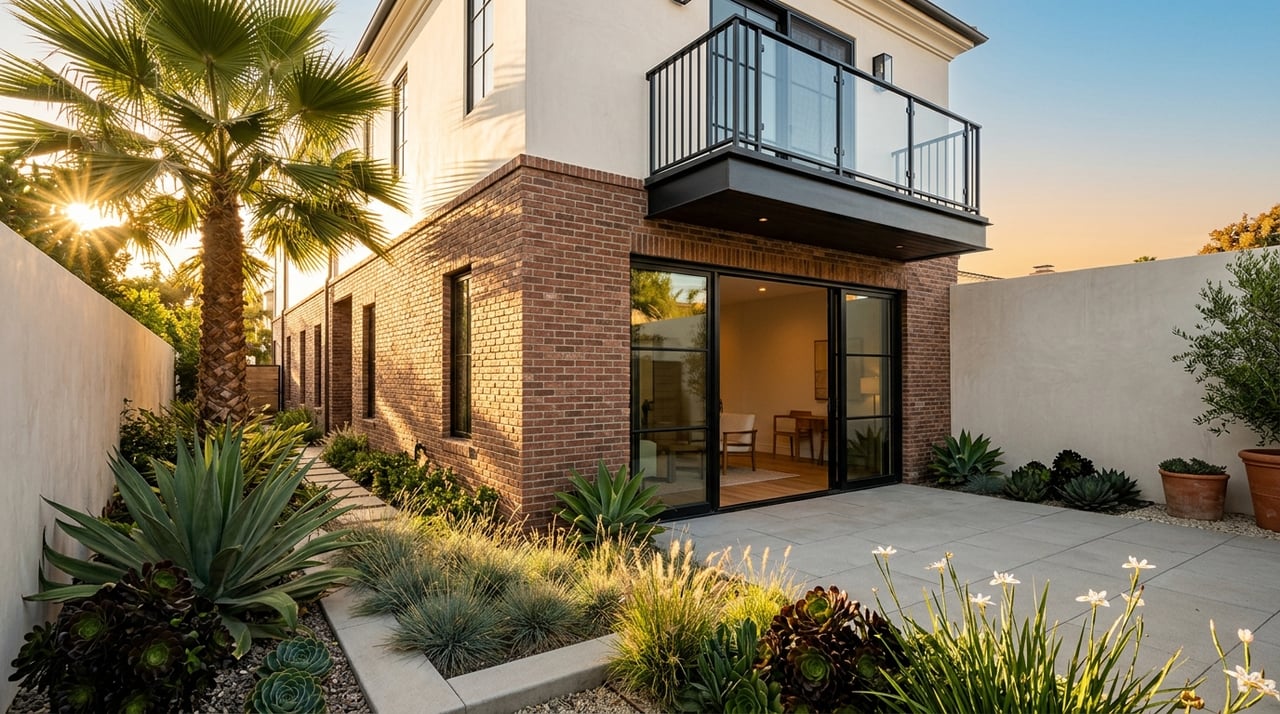
If you are deciding between Palos Verdes Estates and Rancho Palos Verdes, you are not choosing between a good option and a bad one. You are choosing between two very different Peninsula lifestyles that can look similar at first glance. The right fit usually comes down to your budget, how much land and variation you want, and how you feel about neighborhood structure, access, and daily convenience. Let’s break it down.
Start With Size And Budget
Palos Verdes Estates, often called PVE, is the smaller city. Current Census QuickFacts show about 12,559 residents and 4.78 square miles of land.
Rancho Palos Verdes, or RPV, is much larger. Census QuickFacts list about 39,654 residents and 13.47 square miles of land, which means you are looking at a broader range of neighborhoods, lot types, and home settings.
Budget is one of the clearest dividing lines. Census data places the median value of owner-occupied homes at $2,000,000+ in PVE compared with $1,609,400 in RPV.
That does not mean every home in PVE is out of reach or every home in RPV is a value play. It does mean PVE starts at a higher pricing tier before you even factor in views, lot improvements, or rebuild costs.
Compare Lot Size And Housing Feel
Palos Verdes Estates Feels More Standardized
PVE has relatively tight subdivision standards. According to city materials, no lot can be less than 15,000 square feet, the minimum width is 100 feet, and second dwelling units must be on lots of at least 15,000 square feet.
The city also limits single-family floor area to the lesser of 30 percent of lot area plus 1,750 square feet or 50 percent of lot area. For you as a buyer, that often translates into a more uniform, estate-oriented housing feel.
Rancho Palos Verdes Offers More Range
RPV has a much wider lot-size spectrum. Its housing element technical appendix notes that single-family district minimum lot sizes range from five acres to 8,000 square feet.
The same city material also notes that actual development potential can be reduced by topography, site configuration, easements, and roadways. In practical terms, you may find more variation in parcel size, more hillside conditions, and more opportunities for larger building envelopes depending on the specific property.
Think About Rules And Neighborhood Control
PVE Has A More Curated Structure
Palos Verdes Estates has a long history of protective restrictions. The city housing element states that the former Palos Verdes Homes Association and its Art Jury continued to guide development through protective restrictions.
That history helps explain why PVE often feels more curated and more consistent from block to block. If you like a highly controlled environment and a more uniform visual character, this may appeal to you.
RPV Is More Neighborhood Specific
In Rancho Palos Verdes, neighborhood organization is usually more fragmented. Official city pages reference the Rancho Palos Verdes Council of Homeowners Associations, neighborhood watch efforts, and a landslide working group involving multiple homeowner associations and district boards.
For you, that can mean the experience varies more by neighborhood. Some areas may feel loosely organized, while others may have a stronger association presence and more active local involvement.
Compare Coastline And Outdoor Access
PVE Offers Simpler Coastal Access
Palos Verdes Estates has direct coastal access on a smaller scale. The city says bluff-top trails run along the coast, beach access is available from the 300 block of Paseo del Mar, access is by walking only, and there are no private or quasi-private beach areas.
The city also highlights recreational facilities operated under concession agreements on city-owned parkland, including club-style amenities. If you want a more compact coastal experience, PVE can feel straightforward and easy to understand.
RPV Delivers More Open Space
Rancho Palos Verdes is the stronger match if open space is high on your list. The Palos Verdes Nature Preserve spans about 1,500 acres across 15 reserves, with 11 public-access reserves.
Abalone Cove Shoreline Park adds two beaches, tide pools, bluff-top viewing areas, and trails. If your ideal weekends involve hiking, shoreline access, and a broader outdoor network, RPV gives you more to work with.
Understand Access And Topography Tradeoffs
This is one of the biggest practical differences. Rancho Palos Verdes offers more topographic variety, but that can come with more complexity.
The city’s land-movement updates say south-side neighborhoods have experienced significant movement. The city has also imposed a temporary prohibition on bicycles, motorcycles, and similar wheeled vehicles on about a 2-mile stretch of Palos Verdes Drive South, a road that typically carries about 16,000 daily trips.
As of April 16, 2026, the city reported no active emergency advisories. Even so, road conditions and slope-related planning remain part of the conversation in certain parts of RPV.
Palos Verdes Estates does not carry that same specific citywide planning narrative in the research provided here. If you prefer fewer topography-driven variables in your search, that may matter.
Schools Require An Address Check
Both cities are part of Palos Verdes Peninsula Unified School District in the broad sense, but you should not assume every address follows the same pattern. The district states that the four Peninsula cities comprise PVPUSD, while also noting that some Rancho Palos Verdes areas are technically zoned to LAUSD and are optional attendance areas.
Eastview is the clearest example noted in the district information. If school assignment matters in your search, you will want to verify the exact property address through the district locator before making any assumptions.
Expect Similar Commute Realities
If you are hoping one city offers a major commute shortcut, the data does not really support that. Census QuickFacts list mean travel time to work at 31.9 minutes in PVE and 32.8 minutes in RPV.
That tells you something important about Peninsula living. In both cities, you are often trading some commute convenience for a coastal setting, larger homesites, and a more tucked-away feel.
Which City Fits Your Priorities?
Choose Palos Verdes Estates If You Want:
- A smaller, more compact city
- A higher-end entry point with a more estate-oriented feel
- Tighter lot standards and more consistent neighborhood character
- Direct coastal access with a simpler, smaller-scale footprint
- A more curated environment shaped by longstanding restrictions
Choose Rancho Palos Verdes If You Want:
- More neighborhood variety across a larger city
- A lower median home-value tier than PVE
- More range in lot size and property configuration
- Greater access to trails, preserves, beaches, and open space
- More flexibility in home setting, with the understanding that topography can add complexity
The Real Decision Is Lifestyle Match
For many buyers, this choice is less about which city is better and more about which one feels more natural for the way you want to live. PVE tends to attract buyers who value consistency, structure, and a polished estate-style environment.
RPV tends to fit buyers who want more space, more neighborhood diversity, and broader outdoor access. The tradeoff is that property-by-property diligence becomes even more important, especially when topography, access, and district boundaries come into play.
If you are weighing both options, the smartest approach is to compare them through your actual priorities: purchase range, lot goals, outdoor habits, commute tolerance, and how much variation you are comfortable with from one neighborhood to the next.
When you are ready to sort through the details with a local, strategic approach, connect with Ryan Shaw for tailored guidance across Palos Verdes and the South Bay.
FAQs
Is Palos Verdes Estates more expensive than Rancho Palos Verdes?
- Yes. Census QuickFacts in the research report show a median owner-occupied home value of $2,000,000+ in Palos Verdes Estates compared with $1,609,400 in Rancho Palos Verdes.
Are lot sizes larger in Palos Verdes Estates or Rancho Palos Verdes?
- Rancho Palos Verdes generally offers more variation. PVE has tighter minimum lot standards, while RPV includes single-family districts with minimum lot sizes ranging from five acres to 8,000 square feet.
Do Palos Verdes Estates and Rancho Palos Verdes have the same school district?
- Not always at the property level. Both are part of the broader Palos Verdes Peninsula Unified School District area, but some Rancho Palos Verdes addresses are technically zoned to LAUSD and fall into optional attendance areas.
Is coastal access better in Palos Verdes Estates or Rancho Palos Verdes?
- It depends on what you want. PVE offers smaller-scale direct coastal access and bluff-top trails, while RPV offers a larger open-space network with preserves, beaches, tide pools, and more trails.
Does Rancho Palos Verdes have road or land movement concerns?
- In some areas, yes. The city reports significant land movement in certain south-side neighborhoods, and road conditions on parts of Palos Verdes Drive South remain an ongoing planning factor.
Which city is better for buyers who want a more controlled neighborhood feel?
- Palos Verdes Estates is usually the better fit if you want a more controlled, consistently estate-oriented environment shaped by tighter standards and longstanding protective restrictions.