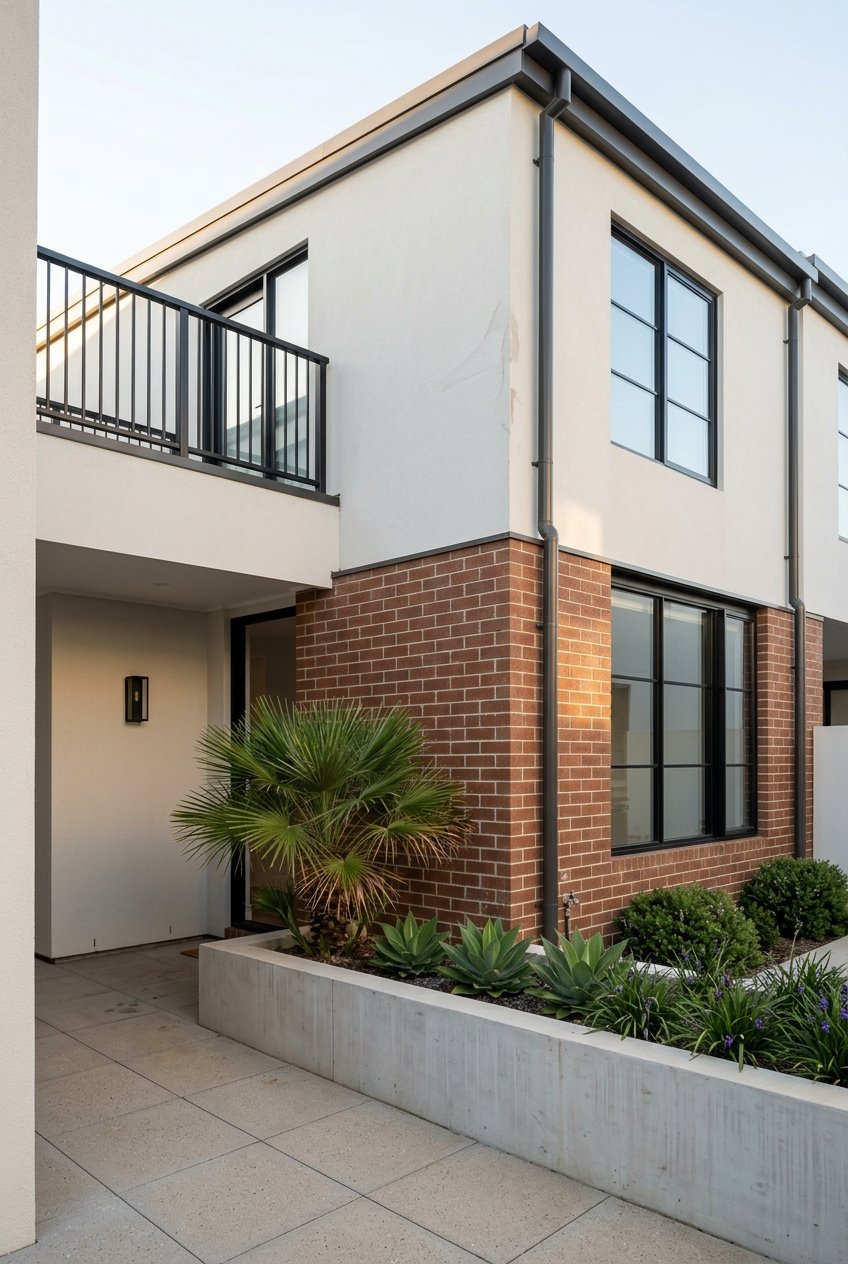
Buying a newer construction home in El Segundo can feel straightforward at first glance. Fresh finishes, modern layouts, and updated systems often create the impression that less due diligence is needed. In reality, El Segundo is a market where documentation, zoning, and site-specific factors can matter just as much as the design you see on tour. If you want to evaluate a newer home with confidence, this guide will show you what to check before you write an offer. Let’s dive in.
Why newer homes need scrutiny
El Segundo is a compact, high-value market, with the city reporting a 2021 ACS median owner-occupied home value of $1,244,200 and a housing mix of 42.0% owner-occupied and 53.7% tenant-occupied units, according to the City of El Segundo demographics page. That means buyers are often paying a premium for certainty, usability, and resale potential.
It also helps to know that much of El Segundo’s housing stock is older. The city’s 2014 Housing Element reported that roughly 80% of homes were built before 1980 and only 3.1% were built in 2000 or later, which helps explain why many "newer" homes here are actually major remodels, rebuilds, or conversions rather than entirely new ground-up construction, per the El Segundo Housing Element.
Start with the permit history
In El Segundo, build quality starts with the paper trail. The city requires permits for construction, alterations, repairs, demolition, re-roofing, and many plumbing, mechanical, and electrical changes, and it uses an E-Z Permit Hub for submittals, issuance, and inspections.
For new residential structures and residential conversions, including ADUs or non-habitable space converted into habitable space, the city says a Certificate of Occupancy is required. That makes permit history more than a technical detail. It is one of the clearest ways to confirm whether the home you are buying was legally and properly completed.
What to ask for
When you evaluate a newer construction home, ask the seller for:
- Building permit history
- Final inspection sign-offs
- Certificate of Occupancy, if applicable
- Approved plans for major work
- Close-out documents for remodels, additions, or conversions
If the seller’s records feel incomplete, do not stop there. El Segundo notes that permit records are split between pre-May 2023 and post-May 2023 systems, and the city’s public-records process includes building permit records. Existing plans can be viewed at the public counter in City Hall, which can help you reconstruct what was actually approved when the seller file is thin or unclear, according to the city’s permit records FAQ and public records portal information.
Look beyond the finishes
New cabinetry, wide-plank floors, and sleek fixtures are easy to notice. What matters more is whether the systems and improvements behind those finishes were permitted, inspected, and closed out correctly.
For remodels, El Segundo says residential lighting plans are required and must comply with Title 24, Part 6 of the California Energy Code. That is why buyers should request the permit packet and any related energy-code documentation, not just rely on visual appeal, as outlined in the city’s Title 24 guidance.
Red flags to watch for
A newer-looking home deserves extra attention if you notice:
- A garage, bonus area, or lower level presented as living space without clear paperwork
- An ADU or conversion with vague permit answers
- Recently completed work with no final sign-off available
- Major remodel claims supported only by listing remarks or seller memory
- Updated interiors but no documentation for electrical, mechanical, or plumbing changes
In a market like El Segundo, buyers often pay more for homes that are easy to understand and easy to defend during resale. Clean documentation helps reduce uncertainty now and later.
Check zoning and future surroundings
A smart evaluation does not stop at the property line. You also want to understand the zoning of the lot itself and what may be possible on nearby parcels over time.
El Segundo provides an interactive zoning map and Planning & Building Safety map through its City Map tools. The city also notes that GIS maps are for general information and are not guaranteed to be complete or accurate, so use them as a starting point and verify details further when needed.
Why zoning matters in El Segundo
The city certified its 2021-2029 Housing Element on July 15, 2024, after completing rezoning tied to Program 6, including nine sites rezoned to Mixed-Use Overlay and Housing Overlay districts. The cycle RHNA allocation was 492 units, according to the City of El Segundo demographics page.
In addition, El Segundo’s zoning code includes regulations implementing SB 9 for two-unit residential development and urban lot splits in single-family residential zones, as shown in the city’s municipal code. For you as a buyer, that means future density, redevelopment potential, and nearby changes may be worth understanding before you commit.
Factor in the LAX noise environment
In El Segundo, lot orientation is not just about sunlight and curb appeal. Because the city sits in the LAX noise environment, sound insulation and site planning can have a real effect on everyday comfort and future resale.
The city’s building code amendments say that any new residence or habitable-room addition within the LAX noise impact boundary must be designed so internal aircraft noise does not exceed 45 dB CNEL. The required acoustical analysis must consider the site’s relationship to the noise source along with the insulation and ventilation measures used, according to the El Segundo building code amendments.
Questions worth asking
If the home is in or near the relevant noise boundary, ask:
- Was an acoustical analysis required for the project?
- Were specific sound insulation measures installed?
- How were ventilation and openable windows addressed?
- How do the main living areas and outdoor spaces relate to the noise source?
These details matter because the placement of living spaces, windows, and outdoor areas can affect how the home feels day to day. LAWA also notes that 1,851 El Segundo units have previously been sound insulated and maintains a current Residential Sound Insulation program for eligible homes in the city, as cited in the same code reference.
Evaluate resale as you buy
The best newer construction purchase is not only appealing today. It is also easy for the next buyer to understand, trust, and finance.
That is especially important in El Segundo, where both owner-occupant and rental demand influence resale. With the city reporting a housing mix of 42.0% owner-occupied and 53.7% tenant-occupied units on its demographics page, broad appeal often comes from practical layouts, legal square footage, and lower-friction ownership.
Features that tend to age well
While every buyer is different, newer homes usually feel more durable in resale when they offer:
- A complete permit trail
- Clearly approved square footage
- Proper final inspections and Certificate of Occupancy where required
- Energy-code and acoustical documentation when applicable
- Layouts that work well for everyday living without unusual or confusing conversions
When records are missing, uncertainty grows. When records are complete, the home is generally easier to evaluate, easier to negotiate, and easier to sell later.
A practical buyer checklist
If you are comparing newer construction homes in El Segundo, keep this short checklist with you:
- Confirm permit history for all major construction, alterations, and systems work.
- Verify final inspections and the Certificate of Occupancy before treating the home as fully complete.
- Review Title 24 documents and any related energy paperwork for remodels or additions.
- Check zoning by address using city tools, then verify any important findings.
- Understand SB 9 or overlay implications that may affect the parcel or nearby sites.
- Ask about noise-related design if the property is in or near the LAX noise impact area.
- Use public records or the city counter if seller records are incomplete.
In a market where many homes are updated versions of older structures rather than true ground-up new construction, this process can help you separate polished presentation from well-documented value.
If you are evaluating newer construction or major remodels in El Segundo, working with a local team that knows how to read the details can make a meaningful difference. Connect with Ryan Shaw for thoughtful guidance on buying with confidence in the South Bay.
FAQs
What documents should you request for a newer construction home in El Segundo?
- Ask for the permit history, final inspection sign-offs, approved plans for major work, Title 24 paperwork for applicable remodels, and a Certificate of Occupancy when required for new residential structures or residential conversions.
Why does permit history matter for El Segundo homes that look newly renovated?
- Many El Segundo homes are older properties that have been substantially remodeled, rebuilt, or converted, so the permit trail helps confirm what work was legally approved and completed.
How do you check zoning for a home in El Segundo?
- Start with the city’s interactive zoning and Planning & Building Safety maps by address, then verify key details because the city states its GIS map data are for general information only.
What should you know about LAX noise when buying in El Segundo?
- If a home is in or near the LAX noise impact boundary, ask whether acoustical analysis and sound insulation measures were required so you can better understand interior comfort and long-term resale considerations.
Why is a Certificate of Occupancy important for El Segundo newer homes?
- The city requires a Certificate of Occupancy for new residential structures and residential conversions, which helps confirm that the completed space was approved for occupancy.