If your work or travel routine keeps pulling you toward LAX or Silicon Beach, your home base matters more than ever. You want a neighborhood that makes daily logistics easier without giving up the comfort of an established residential setting. In Westchester, that balance is a big part of the appeal, and understanding the tradeoffs can help you decide if it matches the way you actually live. Let’s dive in.
Why Westchester stands out
Westchester’s biggest strength is simple: location. The neighborhood sits directly next to LAX within the Westchester-Playa del Rey Community Plan Area, and the City notes that airport activity supports employment and related business opportunities in Westchester and nearby communities. That close connection is one reason buyers focused on convenience keep Westchester on their shortlist.
For airport-first buyers, the commute benchmark is especially compelling. Under typical traffic conditions, the drive from Westchester to LAX is about 7 minutes and 35 seconds. If you travel often, work on or near airport grounds, or simply want faster access for pickups and drop-offs, that kind of proximity can have a real impact on your day-to-day routine.
Airport access beyond the car
Westchester is not only about driving convenience. Metro opened the LAX/Metro Transit Center on June 6, 2025, with redesigned C and K Line service and connecting bus service to improve airport access.
That matters if you want flexibility in how you move around. While many Westside buyers still rely on a car for daily life, stronger transit connections can make Westchester more appealing for people who want another option for airport trips.
How close is Silicon Beach?
For many buyers, the real question is not just LAX. It is whether Westchester also works for jobs and daily routines tied to Silicon Beach.
The answer is often yes, especially if your work life overlaps with nearby areas like Playa Vista. Loyola Marymount University’s free shuttle between Westchester and Playa Vista campuses is a useful signal of how closely connected those two areas are in practice. Westchester may not be branded as a newer tech hub, but it functions near one.
Westchester’s neighborhood feel
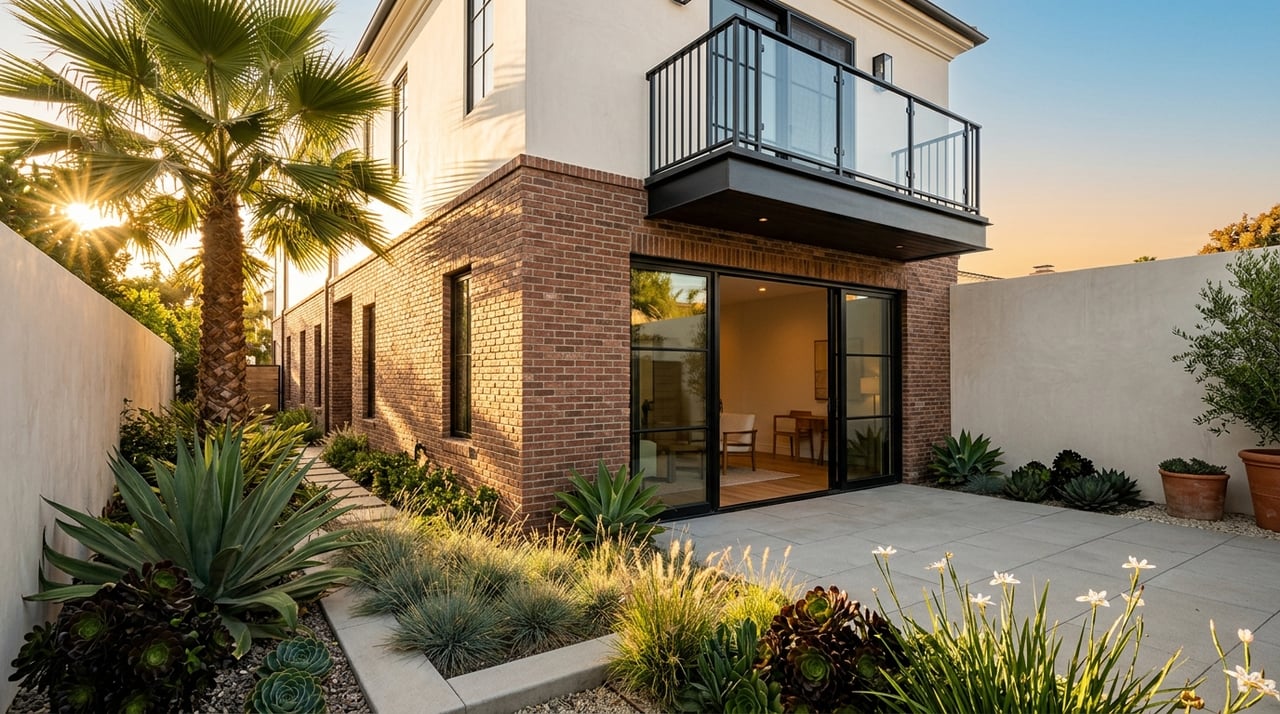
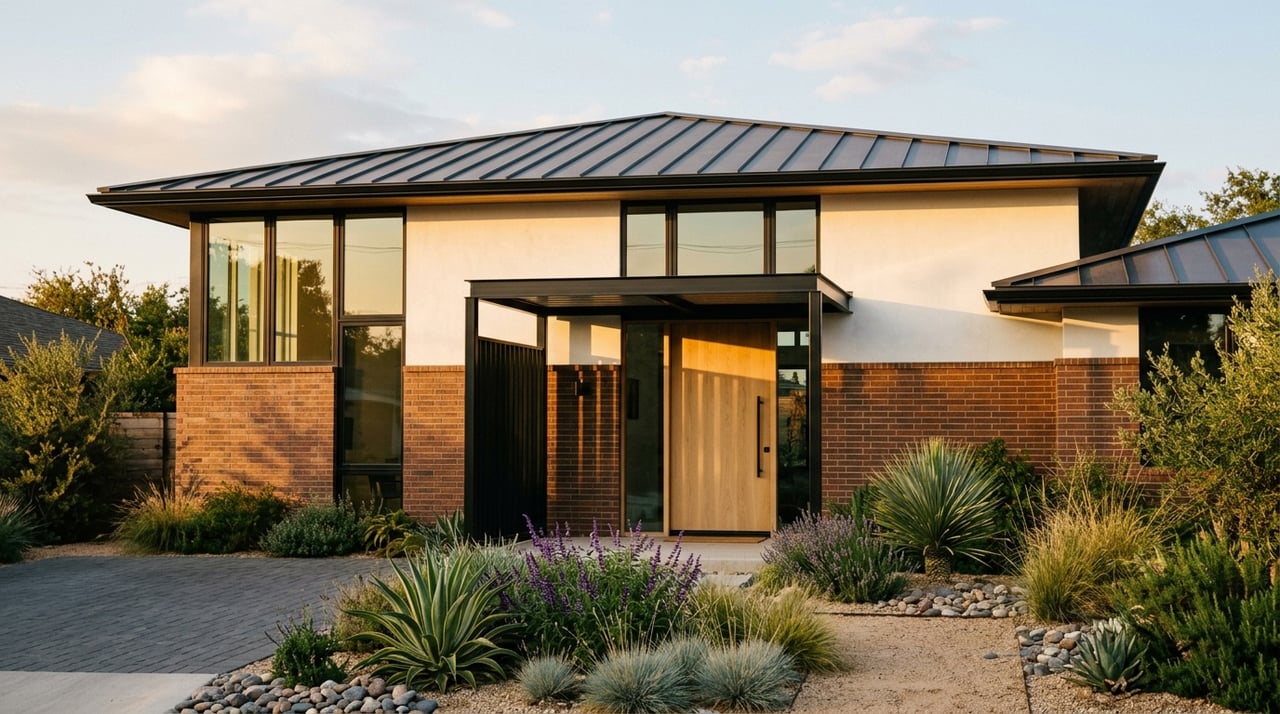
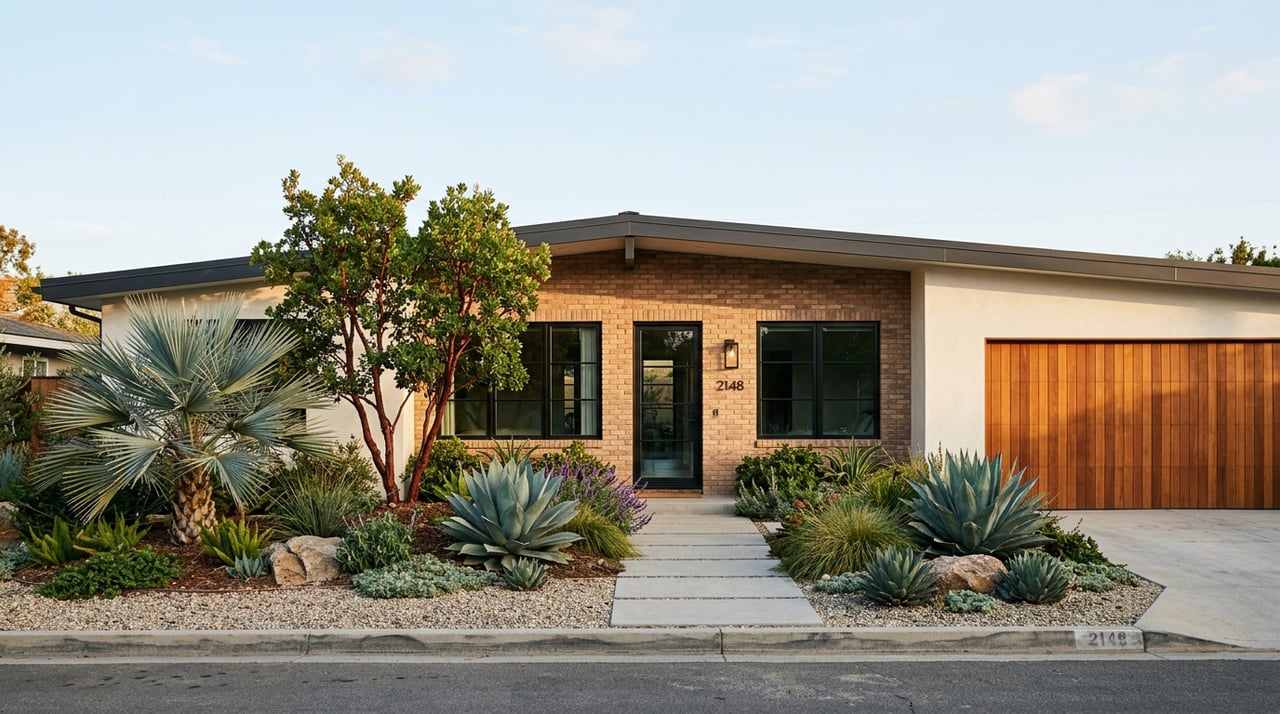
One of the clearest differences between Westchester and some Silicon Beach alternatives is the neighborhood character. According to the City’s planning materials and SurveyLA documentation, Westchester is largely low- to low-medium-density residential, with much of its housing developed in the 1940s, 1950s, and 1960s. The area is primarily single-family residential, with common architectural styles that include Spanish Colonial Revival, Streamline Moderne, and Mid-Century Modernism.
In plain terms, Westchester tends to feel more established and suburban than newer, denser pockets nearby. It is not a high-rise district, and it does not read like a master-planned urban village. Instead, it offers a mostly postwar Westside neighborhood setting with detached homes, some multifamily pockets, and smaller commercial nodes.
That distinction matters if you are choosing based on lifestyle, not just commute math. If you want a residential environment with a long-standing neighborhood pattern, Westchester may feel more comfortable than areas built around a denser, newer format.
What daily life looks like
Westchester is organized around practical livability. The City’s community plan describes commercial activity along major corridors like Century, Lincoln, Sepulveda, and Manchester, along with neighborhood-serving centers and a focus on housing near jobs and services.
That means your experience here is less about a single large downtown and more about access to everyday essentials. It is a neighborhood built for routine, convenience, and connection to larger job centers.
A strong local anchor is the Westchester Recreation Center, which includes sports and cultural programming, play areas, a skate plaza, an auditorium, a senior center, a golf course, and a library on site. Amenities like these help support the lived-in feel of the neighborhood and add to Westchester’s appeal beyond pure commute convenience.
Westchester home prices today
If Westchester sounds practical, it is important to know that practicality here does not mean cheap. As of March 31, 2026, Zillow’s Westchester home value index was $1,484,664, while Zillow’s list-price snapshot was $1,757,500. Zillow also reported that these figures reflect different metrics from sale-price data, so they are best used as directional indicators.
That pricing places Westchester firmly in the middle-to-upper Westside conversation. Buyers are often paying for location, airport access, and an established residential environment, not simply larger square footage.
Redfin’s February 2026 data, as cited within Zillow’s market snapshot, showed a median sale price of $1,595,000, median days on market of 64, and a market described as somewhat competitive. For buyers, that suggests a neighborhood where preparation still matters, even if conditions are not as intense as the hottest bidding-war environments.
How Westchester compares nearby
Westchester becomes easier to understand when you compare it with nearby options. By Zillow home-value data, Westchester sits above several neighboring markets often considered by the same buyer pool.
Here is the cleanest directional view:
| Area | Zillow Home Value |
|---|---|
| Westchester | $1,484,664 |
| Playa Vista | $1,333,236 |
| Culver City | $1,301,741 |
| Marina del Rey | $1,350,258 |
| Playa del Rey | $1,112,735 |
| El Segundo | $1,759,408 |
| Manhattan Beach | $3,160,902 |
Based on these figures, Westchester is generally more expensive than Playa Vista, Culver City, Marina del Rey, and Playa del Rey. At the same time, it remains below El Segundo and far below Manhattan Beach.
That positioning is a big part of Westchester’s value proposition. If you want Westside access and very fast airport convenience, but you do not want to pay the top-tier premiums seen in some coastal communities, Westchester can look like a practical middle path.
Who Westchester fits best
Westchester tends to work best for buyers who prioritize three things: fast airport access, a mostly postwar residential setting, and a Westside location that still comes in below the cost of some premium coastal cities. If that sounds like your checklist, the neighborhood deserves a close look.
It can be especially compelling if your schedule includes frequent flights, airport-based work, or regular movement between LAX and nearby employment centers. It can also appeal to buyers who want a more established residential feel than they may find in newer, denser Silicon Beach environments.
Where the tradeoffs show up
No neighborhood is perfect for every buyer, and Westchester has clear tradeoffs. The same geography that makes airport trips so easy also places the area within a busy transportation and development corridor around LAX.
For some buyers, that is a worthwhile compromise because access solves a major lifestyle problem. For others, a beach-town setting or a lower entry price may matter more, in which case nearby alternatives could be a better fit.
Westchester is usually less compelling if your top priority is a true coastal atmosphere. It is also not the strongest match if your main goal is finding the lowest possible price point on the Westside.
The bottom line for commuters
If your life revolves around LAX or the broader Silicon Beach employment corridor, Westchester checks a lot of important boxes. You get direct airport convenience, close ties to nearby work nodes, an established residential environment, and pricing that, while still substantial, sits below some of the most expensive coastal alternatives.
In other words, Westchester is not the right fit because it is the trendiest or the cheapest. It is the right fit for many buyers because it is efficient, established, and strategically located for the way they actually live and work.
If you are weighing Westchester against other Westside and South Bay options, working with a local team can help you compare commute patterns, pricing, and neighborhood feel with more clarity. If you want tailored guidance on where your budget and lifestyle align best, connect with Ryan Shaw for a more strategic conversation.
FAQs
Is Westchester a good neighborhood for LAX commuters?
- Yes. Westchester’s clearest advantage is proximity to LAX, with a typical drive time of about 7 minutes and 35 seconds under normal traffic conditions.
Is Westchester a good fit for Silicon Beach workers?
- It can be. Westchester sits close to Playa Vista and other nearby job centers, making it a practical option for buyers who want shorter regional commutes without living in a denser neighborhood.
Are Westchester homes more expensive than Playa Vista?
- Based on the Zillow figures cited here, yes. Westchester’s home value index was higher than Playa Vista’s in the latest comparison.
Does Westchester feel urban or suburban?
- Westchester generally feels more suburban and established than urban, with mostly postwar residential housing, detached homes, and smaller commercial centers.
Is Westchester cheaper than El Segundo or Manhattan Beach?
- Yes. The Zillow home-value data cited here shows Westchester below both El Segundo and Manhattan Beach, with a much larger pricing gap compared with Manhattan Beach.
What kind of buyer is Westchester best for?
- Westchester is often a strong fit for buyers who want fast airport access, a practical Westside location, and an established residential neighborhood rather than a beach-town setting or dense urban environment.