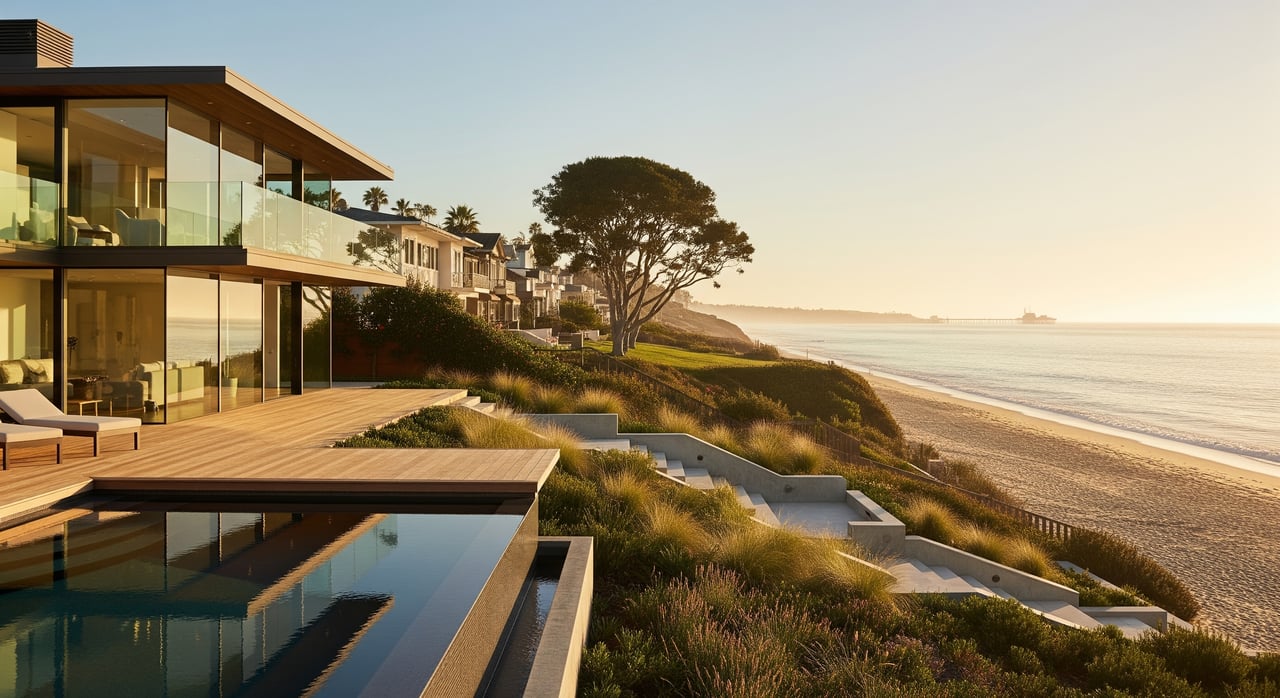
Beach out your front door, leafy streets for bike rides, or sweeping views from a quiet perch — which Manhattan Beach lifestyle fits you best? If you are choosing between the Sand, Tree, and Hill sections, it can feel like three great options with very different daily rhythms. You want clarity on space, privacy, beach access, maintenance, and budget. This guide breaks down each section and gives you a simple framework to match your needs to the right streets and homes. Let’s dive in.
Manhattan Beach at a glance
Manhattan Beach is a compact coastal city with three distinct micro-neighborhoods people talk about most: the Sand, the Tree, and the Hill. Each section offers a different mix of lot sizes, architecture, access to the Strand, and lifestyle feel. MBUSD is widely regarded as strong, which draws many buyers who value schools. Beach activity and visitor traffic center near the Strand, while inland streets tend to be quieter.
Sand Section: Beach at your doorstep
What it feels like
The Sand puts you closest to the ocean and the Strand. You are steps from sand, surf, and cafes. Expect more foot traffic, especially on weekends and in summer, and a lively outdoor lifestyle.
Homes and lots
Lots and building footprints are smaller here, reflecting the historic beach grid. Yards are limited, so outdoor living often happens on patios, decks, and rooftop spaces. Architecture ranges from classic cottages and low-rise duplexes to glass-forward contemporary homes designed to capture ocean views.
Daily living tradeoffs
You get the fastest beach access in the city. In exchange, you accept higher noise, tighter parking during peak seasons, and less private yard space. Streets can feel busy at times, and visitor activity may be part of your daily backdrop.
Who it fits
- Buyers who want immediate Strand and beach access
- Those who value walkability and an active, outdoor routine
- Second-home owners or entertainers seeking a beachfront vibe
Watch-outs
Salt air can accelerate wear on metal, HVAC, and exterior finishes, so plan for higher maintenance and coastal-grade materials. Some properties may be in coastal flood zones, so confirm flood maps and insurance early. If you plan a major remodel or rebuild, expect more coastal development rules and design review.
Tree Section: Space and neighborhood feel
What it feels like
The Tree offers a classic residential feel with tree-lined streets and a quieter pace. You are still within a short walk or bike ride to the beach, but daily life centers more around the block, backyard, and neighborhood connections.
Homes and lots
Lots are mid-sized by local standards and support both original homes and full-scale rebuilds. You will see a mix of mid-century ranch, Craftsman bungalows, 1980s and 1990s remodels, and modern new construction. Depth front-to-back often allows for a yard, play space, or a larger footprint.
Daily living tradeoffs
You gain more space and easier guest parking on many streets. Beach activity is close but less intrusive day to day than in the Sand. You trade direct oceanfront for a more balanced routine with yard time and neighborhood calm.
Who it fits
- Move-up buyers seeking 3 to 5 bedrooms and usable yard space
- Households balancing beach life with day-to-day privacy
- Buyers wanting a traditional neighborhood feel without giving up access
Watch-outs
Verify your specific address for school boundaries and walking distance, since assignments are address-based. If you plan to expand or rebuild, review local planning and setbacks before you buy. Insurance costs vary, but coastal effects are generally less intense than beachfront.
Hill Section: Privacy and views
What it feels like
The Hill sits on elevated terrain that delivers privacy and long-range views. Streets are quieter with less tourist traffic. Daily walks can be steeper, and the beach is a short drive or a committed walk.
Homes and lots
Lots are often the largest here, with width and depth that support custom estates and multi-level designs. Architecture includes Mediterranean and modern homes that take advantage of elevation, larger garages, and more private outdoor space.
Daily living tradeoffs
You maximize privacy and views while accepting a bit more driving for beach and errands. Streets can be steeper, and vertical living across multiple levels is common. The setting suits buyers who prioritize space, discretion, and outlooks.
Who it fits
- Buyers who value privacy and panoramic views
- Executives who host at home or travel often and want quick access to LAX
- Households seeking larger custom homes and multi-car garages
Watch-outs
For hillside parcels, consider drainage, slope stability, and defensible-space landscaping. Insurance needs differ from beachfront, so obtain quotes early. Planning reviews apply here too, though coastal-specific constraints are typically lighter than the Sand.
Budget and value reality
Manhattan Beach is one of the higher-priced coastal markets in Los Angeles County. Beachfront and the best view properties in the Sand and Hill often command the highest premiums. The Tree can offer more livable square footage per dollar while still trading at a premium compared with many inland areas. Because luxury segments can react quickly to interest rates and buyer demand, rely on up-to-date comps rather than older reports when you are ready to act.
Commute and daily routine
LAX, Playa Vista and Silicon Beach, and South Bay business hubs are common commute targets. Driving is the most typical option, and route choice matters by section and time of day. Access to the 405 and 105 requires surface street driving, so plan routes for school drop-offs and morning meetings. If you travel frequently, quick airport access from Manhattan Beach is a practical advantage.
Schools and enrollment basics
Manhattan Beach Unified School District is widely regarded as strong. School assignment is address-dependent, so always confirm boundary maps and enrollment procedures for your specific property. Proximity considerations vary by section. The Sand puts you closest to beach activities and Strand life. The Tree often balances yard space and neighborhood streets with central access to schools. The Hill provides privacy and space along with a short drive for beach and campus routines.
A simple decision framework
Step 1: Define non-negotiables
- Immediate beach access and a surf-and-Strand routine: Sand
- Yard space and a neighborhood feel with balance: Tree, and some Hill pockets
- Maximum privacy, views, and custom scale: Hill
Step 2: Budget versus space
- Fixed budget with priority on the beach: expect less interior and yard space in the Sand compared with Tree or Hill
- View and private outdoor space as top priority: plan for higher purchase prices and a longer search
Step 3: Daily lifestyle questions
- Do you want short walks to the Strand and restaurants, or quieter streets for daily routines?
- Is seasonal parking and visitor activity acceptable?
- Are you ready for coastal maintenance or hillside landscaping and drainage care?
Step 4: Verify the practicals early
- Confirm school boundary assignment for target addresses
- Check flood zones, insurance coverage types, and estimated premiums
- Test commute routes and guest parking at different times of day
- Review planning, setbacks, and coastal rules for remodels or rebuilds
Step 5: Narrow to a few blocks and visit
- Visit morning, weekend midday, and evening to feel noise, traffic, and parking
- Talk with a local expert about parcel specifics and any permit history
Quick pairing guidance
- Move-up family seeking bedrooms and yard: Tree first; Hill second if you want more privacy and space
- Relocating executive prioritizing privacy, views, and airport access: Hill, or premium Sand beachfront if immediate beach life is the goal
- Buyers who want an active, walkable beach lifestyle: Sand
Your on-site checklist
- Walk the block at different times and on weekends to gauge activity and noise
- Check parking ease for your household and guests
- Look for signs of salt air wear on fixtures and railings near the coast
- Confirm lot lines, setbacks, and any known easements
- Run a basic drainage review on sloped parcels and ask about past improvements
- Test cellular and internet service at the property
- Get early insurance quotes for homeowners, wind, and flood if applicable
- If considering a major remodel or rebuild, meet with the city planning department for process and timing
Ready to compare homes?
You do not need to guess which streets fit your lifestyle and budget. Pair your must-haves with on-the-ground guidance and a plan that respects timing, permits, and insurance realities. If you are weighing Sand, Tree, or Hill, connect with Ryan Shaw for a focused shortlist, block-by-block insight, and a smooth path from first tour to keys.
FAQs
Which Manhattan Beach section fits families who want yard space?
- The Tree typically offers more usable yard and a classic neighborhood feel, with the Hill as a larger-scale option if you want more privacy and space.
How do Sand, Tree, and Hill prices generally compare?
- Beachfront Sand and the best-view Hill homes often command the highest premiums, while the Tree can deliver more square footage per dollar compared with those premium view and frontage locations.
Are beachfront homes riskier to insure in Manhattan Beach?
- Properties closest to the ocean can face higher wind and flood exposure, so obtain insurance quotes early and confirm any flood zone designation for specific addresses.
What should executives know about commutes from the Hill Section?
- You gain privacy and views, with a short drive to the beach and relatively quick access to LAX; plan surface-street routes to freeways and test timing around peak hours.
Do short-term rental rules vary across Manhattan Beach?
- Local regulations apply citywide and are enforced by the city; confirm current rules and any permit requirements for your specific address and property type.
Can I rebuild or add a level in the Sand Section?
- It is possible but typically involves stricter coastal development review, setbacks, and height limits; start early with city planning to understand feasibility and timeline.