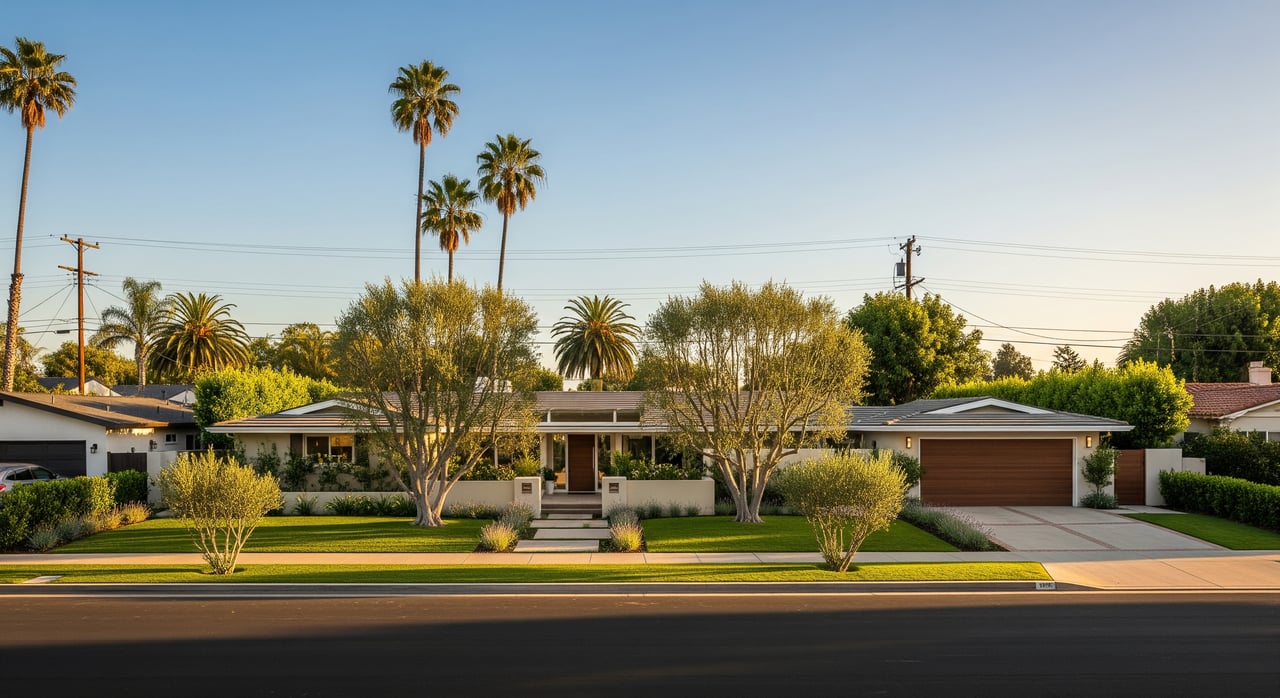
Thinking about adding space, building an ADU, or buying a fixer in El Segundo? Lot size and zoning shape what you can and cannot do long before you call a contractor. When you understand the basics, you can spot real potential and avoid costly surprises. This guide breaks down typical lot patterns, key zoning limits, and a quick due‑diligence checklist to help you plan with confidence. Let’s dive in.
Zoning in El Segundo: What it controls
Zoning sets the ground rules for use, size, and placement. It governs allowed uses, setbacks, height, lot coverage or FAR, and parking. For parcel‑specific answers, start with the City’s planners, the official zoning map, and the municipal code. You can find contacts and resources on the City of El Segundo Planning Division website.
State rules that matter
Two statewide laws often influence local decisions:
- ADUs and JADUs: State ADU law limits some local setbacks and parking, and requires cities to allow ADUs in many cases. Review the California HCD’s ADU guidance and then confirm how El Segundo applies it.
- SB 9 lot splits and duplexes: SB 9 lets some single‑family lots be split and supports duplexes under objective local standards. Read the statute on California Legislative Information and verify local implementation with a city planner.
Typical lot sizes and shapes
El Segundo’s single‑family neighborhoods were largely built in the early to mid 20th century. You will often see modest suburban parcels, commonly in the 4,000 to 7,500 square foot range. Larger or irregular lots appear near commercial corridors or where parcels have been assembled over time.
Why dimensions matter
Lot width and side setbacks determine how wide your house or addition can be. Depth and rear setbacks affect whether a rear addition or detached ADU fits. Alley access can open options for garage placement and easier site circulation.
How to confirm your lot
Do not guess. Check the Los Angeles County Assessor for legal area and dimensions, then verify against title and a survey if you plan changes. Start with the Los Angeles County Assessor for parcel maps and property details.
Key development limits to watch
Every zone has its own standards, so always confirm your property’s exact zone and rules. Use the ranges below as a practical orientation while you evaluate homes.
Setbacks
- Front: Often 15 to 25 feet on single‑family lots, depending on street pattern.
- Sides: Commonly 3 to 7 feet per side, with larger setbacks on corner lots in some zones.
- Rear: Often 10 to 20 feet. Rear setbacks are especially important for two‑story additions and detached ADUs.
Older homes may sit closer to property lines than current code allows. Expanding a nonconforming footprint can trigger additional requirements or variances.
Height
Single‑family height limits are typically in the 25 to 30 foot range. Height caps and upper‑story stepbacks can constrain full second stories on smaller parcels.
Lot coverage and FAR
Many cities use lot coverage and/or floor‑area ratio to cap size. Typical suburban ranges include 35 to 50 percent lot coverage and FARs of roughly 0.5 to 1.0+, depending on zone. For example, on a 5,000 square foot lot, a 0.6 FAR would allow about 3,000 square feet of total floor area before deductions and exceptions.
Parking
Single‑family homes often require at least two covered spaces. Multi‑family ratios are commonly tied to bedroom count. State ADU rules reduce local parking requirements in many situations, such as sites near transit, but you should confirm local standards after reviewing California HCD’s ADU guidance.
Physical constraints matter too. Narrow driveways, curb cut limits, or alley conditions can make meeting parking minimums expensive.
Easements and stormwater
Recorded utility easements can block building in parts of the lot. Low Impact Development rules and grading requirements can limit added hardscape and affect drainage design.
Variances and special approvals
If a design cannot meet objective standards, you may need a variance or a conditional use permit. That adds cost, time, and uncertainty. Discuss feasibility early with city staff.
How zoning shapes your plan
Fixer with expansion potential
A regular, wider lot within the 4,000 to 7,500 square foot band often provides workable width after side setbacks and enough area to add under coverage or FAR limits. Alley access and fewer easements make garages, ADUs, and rear additions simpler to plan.
Move‑in‑ready with limited room
On narrow or small parcels, rules can restrict meaningful expansion to interior remodels or modest vertical additions. Bringing a nonconforming footprint into compliance can be required if you expand.
ADUs and detached structures
ADUs open new options on many lots. Key variables include setbacks, detached height, maximum ADU size, and parking exemptions. State rules are generous, but local objective standards still apply. Begin with HCD’s ADU resources and verify details with El Segundo planning staff.
SB 9: lot splits and duplexes
Some single‑family lots may qualify for an urban lot split or a duplex under SB 9. Local objective standards, environmental limits, and any historic or overlay constraints can affect eligibility. Read the statute on California Legislative Information and confirm how El Segundo implements it before you proceed.
Parking practicality
Even when code allows tandem or uncovered spaces in some contexts, site geometry can make them hard to fit. Measure drive widths, check alley clearances, and validate whether new curb cuts are permitted.
Your due‑diligence checklist
Use this quick list before you write an offer or start design work:
- Confirm parcel data: legal lot area, dimensions, and parcel map on the Los Angeles County Assessor.
- Identify the zone: look up your zoning on the City of El Segundo Planning Division website and read the relevant development standards in the municipal code.
- Order title: review the preliminary title report for easements, CC&Rs, and any recorded restrictions.
- Get a survey or boundary map: verify dimensions and check for encroachments.
- Screen for overlays: ask about historic review or special standards that could affect exterior changes.
- Check utilities and drainage: sewer lateral status, capacity for added units, and stormwater/LID requirements.
- Review permits: pull the property’s permit history with the city and confirm whether past work was permitted.
- Study parking and access: measure driveway widths, check curb cut rules, and note alley conditions.
- Flood and soils: check FEMA flood maps at the FEMA Flood Map Service Center and ask your consultant about soils or liquefaction considerations if relevant.
- Planner consult: schedule a short call or pre‑application meeting with a city planner to reality‑check ADU, second story, or lot split ideas on your specific parcel.
Pro tip: A 15‑minute discussion with El Segundo planning staff can save weeks of redesign. Start with the Planning Division’s contact page to set up a call.
Red flags that add cost
- A nonconforming footprint that must be brought into compliance to expand.
- Large recorded easements that cut through buildable area.
- Very narrow frontage that limits side‑setback clearance or garage placement.
- Overlay zones or historic review that add design constraints.
- Utility or sewer capacity limits that complicate ADUs or added bedrooms.
Trusted resources
- City of El Segundo Planning Division: zoning map access and planner contacts on the official city site.
- El Segundo Municipal Code: look up definitions, setbacks, parking, and height for your zone.
- Los Angeles County Assessor: parcel data and maps on the Assessor’s site.
- California HCD: statewide ADU resources and guidance.
- California Legislative Information: full text of SB 9.
- FEMA Flood Map Service Center: check flood zones at the FEMA mapping portal.
When you are weighing a fixer against a move‑in‑ready home, the right zoning strategy can unlock value or protect your budget. If you want a local, process‑driven advisor to guide due diligence and negotiate the right terms, connect with Ryan Shaw for a thoughtful, South Bay‑focused plan.
FAQs
What is a typical single‑family lot size in El Segundo?
- Many neighborhoods feature modest suburban parcels, often around 4,000 to 7,500 square feet, with larger or smaller lots in some areas.
How do setbacks affect adding a second story in El Segundo?
- Side and rear setbacks limit the envelope, and height or stepback rules can shape the upper floor, so check your exact zone standards before you design.
Are ADUs allowed on most El Segundo single‑family lots?
- State law broadly supports ADUs, but size, setbacks, height, and parking vary, so review HCD’s ADU guidance and confirm local standards with city staff.
Can I split my El Segundo lot under SB 9?
- SB 9 enables lot splits and duplexes on some single‑family parcels, subject to objective local standards and eligibility limits; verify feasibility with the city.
How many parking spaces are typically required for a single‑family home?
- Many single‑family zones require at least two covered spaces, with different ratios for multi‑family; ADU parking can be reduced under state rules.
How do I check if a property is in a flood zone in El Segundo?
- Use the FEMA Flood Map Service Center to locate the property and view official flood zone designations before planning work.